

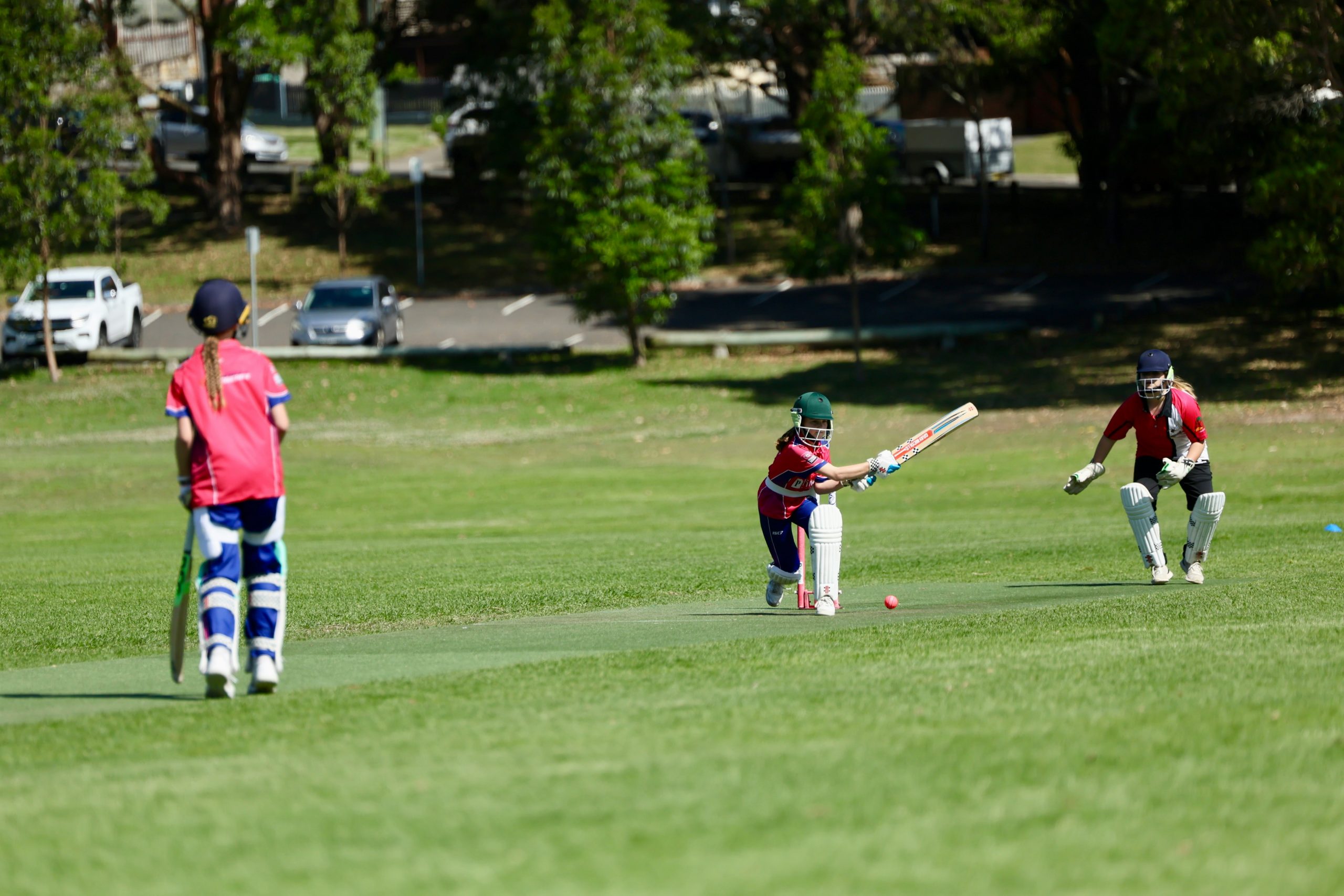
As Autumn began, gender equality was thrust into the limelight when the England Cricket Board announced equal starting salaries for men and women. Consequently, we decided to examine the current gender wage gap in the UK and what may have influenced this decision. Read on as we unpick the announcement concerning women’s cricket and discuss what employers can learn from this initiative.
But hold up. Avoid getting stumped by unexpected legal changes! At the Employment Law Review, we regularly publish employment law updates, and our newsletter is the only way to stay informed.
Subscribe now by hitting the button above to start receiving expert insights!
The State of Play: What is the UK Gender Pay Gap?
In the UK, the gender wage gap is the difference in average hourly earnings between men and women, expressed as a percentage of men’s earnings, excluding overtime. It measures workforce gender equality, highlighting gender pay disparities across different sectors, job types, and seniority levels.
According to the Office for National Statistics (ONS), as of April this year, the gender pay gap stood at 7%. While this is down 0.5% from the previous year, the wage disparity still exists.
Why Does the Gender Pay Gap Exist?
When you break down the ONS’ findings further, it’s evident why the gender pay gap exists. Notably, the wage gap widens with age in professions where pay increases significantly with experience. This has been attributed to the fact that as women get older, fewer hold high-paying positions like managers or directors.
What’s more, the gap is higher in regions like London, where there’s a substantial concentration of high-paying jobs. This varies significantly in regions like Northern Ireland, where the wage gap is only 0.8%. Clearly, the disproportionate representation of men in senior roles lends to this gender inequality.
Like what you're reading? Don't forget to subscribe to our bi-weekly newsletter!
READ: Could TikTok Trending “Microfeminism” Be the Answer to Gender Inequality in the Workplace?
However, even when women are in high-paying roles, they actually experience worse gender equality than those in lower brackets. Women in the top 10% of earners experience a gender wage gap of 15.5%, compared to the 7.1% faced by median earners. As such, men in higher-paying roles earn significantly more than their female counterparts, a discrepancy that widens as earnings increase.
Overall, when looked at as a whole, the main reasons why the gender wage gap exists is because of:
- Occupational Segregation – Men and women often work in different types of jobs. While women are more likely to work in lower-paying sectors, such as care, men can typically be found in higher-paying roles, like finance.
- Part-time Work – Women often take up part-time work due to caregiving responsibilities. This contributes to them receiving lower overall earnings and reduced opportunities for career advancement.
- Workplace Progression – Women are underrepresented in senior and managerial roles, where pay is generally higher. Unfortunately, this often influences them to experience slower wage growth, particularly after reaching mid-career.
England Cricket Board: Pioneering Gender Equality
Regardless of the reason, the gender pay gap illustrates that UK workplaces must do more to achieve gender equality. With this in mind, it’s no wonder the England Cricket Board made the decision they announced on 24 September 2024.
They revealed that, as of 2025, “Minimum starting salaries will be equalised across men’s and women’s professional domestic cricket”. Subsequently, both “Rookie” level and “Senior Pro” women players will be offered at least the same starting salaries as their male counterparts.
READ: Could Equal Pay Soon Encompass Race and Disability?
This is significant in the world of women’s cricket as it brings the sport closer to being a viable career path for female athletes. The Director of Women’s Professional Game, Beth Barrett-Wild, stated, “The changes we’ve made…have been about producing a sustainable and viable product that’s attractive off the pitch, as well as being quality on it”. She added, “Increasingly, every decision we take is about making cricket as attractive a sport for young girls as it is for boys”.
While this won’t guarantee that women will earn the same as men, it certainly ensures their entry earnings are on par. Given that the sporting world is renowned for significant gender pay disparities, this could be the catalyst for a positive change.
Gender Equality: Gender Pay Gap Reporting is not Enough
It’s often been claimed that unconscious bias, caring responsibilities and varying styles of salary negotiation contribute to the gender wage gap. However, whatever the cause, the issue concerning gender equality still remains, and more must be done to address it.
The initiative pushed by the England Cricket Board marks a conscious attempt to bring about gender pay parity. Employers across the UK should look at this positive action and consider how they can foster similar equality.
Already, employers with 250 or more employees are being held accountable, as the Equality Act 2010 (Gender Pay Gap Information) Regulations 2017 obligates them to undertake gender pay gap reporting. This measure forces said employers to disclose the difference in average pay between men and women within their company.
Yet, while this step showcases gender inequality in the workplace, it only does little to force change. This could be why progression to complete gender pay parity has been slow.
Practical Steps to Tackle Gender Inequality
Employers should consider what more they can do, like the England Cricket Board, to further gender equality. Some measures they may want to consider include:
- Standardised Salary Ranges – Drawing from the announcement in women’s cricket, creating clear and transparent salary bands can mitigate wage variation in similar roles. Unconscious bias and negotiation differences are less likely to affect people’s salaries if the workforce is clear about expected earnings.
- Equal Opportunities for Career Development – Women are underrepresented in senior roles. This can have a knock-on effect, where male managers unfairly favour other men, whether consciously or unconsciously. By providing women with clear progression pathways and networking them with senior figures in an organisation, companies can ensure they have equal opportunities to develop their careers.
- Flexible Working Policies – Caring responsibilities can often hinder women’s career development and affect their earnings. By enabling men to shoulder more of the responsibility, the impacts of such commitments can be shared more evenly.

The above isn’t a comprehensive list, though, and how businesses tackle gender equality will vary, depending on their circumstances. That said, employers should proactively address the matter, take notes from the England Cricket Board’s initiative, and work towards a more gender-equal workplace.
We hope you enjoyed this latest employment insight. To ensure you don’t miss future news from the sector, subscribe to our newsletter today! It’s the only way to stay informed, and it won’t take up much of your time. Simply hit the button at the top to get started.