


A former BNP Paribas solicitor has been fined and ordered to pay thousands following his use of derogatory workplace nicknames. The ruling came from the Solicitors Disciplinary Tribunal (SDT) after hearing how he called colleagues names like “Jabba the Hutt” and “the twittering fool.” This ruling underscores the importance of remaining professional at work and the potential legal consequences of offensive conduct.
Read on as we discuss what happened in the case and the impacts of a toxic environment at work. We then examine the potential vicarious liability employers could face if there’s a poor company culture and prevention strategies to avoid this.
Toxic Environment at Work Costs Former BNP Paribas Solicitor Thousands
Mr Leo Foster was a senior in-house BNP Paribas solicitor before his retirement. Towards the end of his employment, he became entangled in an SDT investigation after reports of his inappropriate and offensive conduct. It was found that, over several months, Mr Foster:
- Used inappropriate nicknames such as “Jabba the Hutt,” “the idiot,” and “Pol Pot” in reference to colleagues.
- Referred to an East Asian colleague as “Hu She,” a play on words derived from a Private Eye magazine joke.
- Sent emails containing profanities and derogatory remarks about co-workers and senior managers, including calling them “c**ts” and questioning whether one was autistic.
READ: Overpayment of Wages or Rightfully Earned? Huw Edwards Refuses to Pay Back BBC Suspension Salary
The former BNP Paribas solicitor claimed his remarks weren’t meant to be discriminatory, with his representation asserting he was “extremely apologetic” and that the incidents occurred during a “stressful time” in his life. Despite this, the SDT ruled he’d failed to uphold the expected standards of behaviour of a solicitor “of his experience and standing.” As a result, it fined him £15,000 and ordered him to pay £16,000 in costs.
The Cost of a Poor Company Culture
Toxic environments, like the one created by the former BNP Paribas solicitor, can significantly impact organisations. From employee morale to company reputation, these impacts aren’t ones to be taken lightly. Employers must realise that poor company culture can result in:
- Low Employee Morale and Productivity – A poor company culture, where staff are belittled and ridiculed, can cause employees to become disengaged. This can be disastrous for employers, as reduced motivation can lead to lower productivity and increased absenteeism.
- Increased Employee Turnover – Toxic environments often influence increased staff turnover, as those impacted seek alternative opportunities in a more respectful and professional environment. Heightened recruitment costs and the loss of industry knowledge that results can prove costly for businesses.
- Reputational Damage – Particularly in regulated industries like finance and law, reputational damage can severely impact organisations. The BNP Paribas solicitor case made headlines, drawing public attention to his employer for all the wrong reasons. If a firm is believed to tolerate a toxic environment at work, attracting top talent and clients will likely become more difficult.
- Legal Risks – The Equality Act 2010 prohibits discrimination and harassment in the workplace. Even if an employer isn’t directly at fault, it could be vicariously liable if it failed to take appropriate steps. Therefore, ensuring compliance is essential to avoid legal repercussions.
Can Employers Be Held Responsible For Misconduct by Staff?
Under UK employment law, “vicarious liability” refers to when an employer is held legally responsible for the wrongful actions of its workforce. These actions, including harassment and discrimination, must occur during the course of an employee’s job, and such liability arises when an employer doesn’t take the reasonable steps required to prevent such behaviour.
Like what you're reading? Don't forget to subscribe to our bi-weekly newsletter!
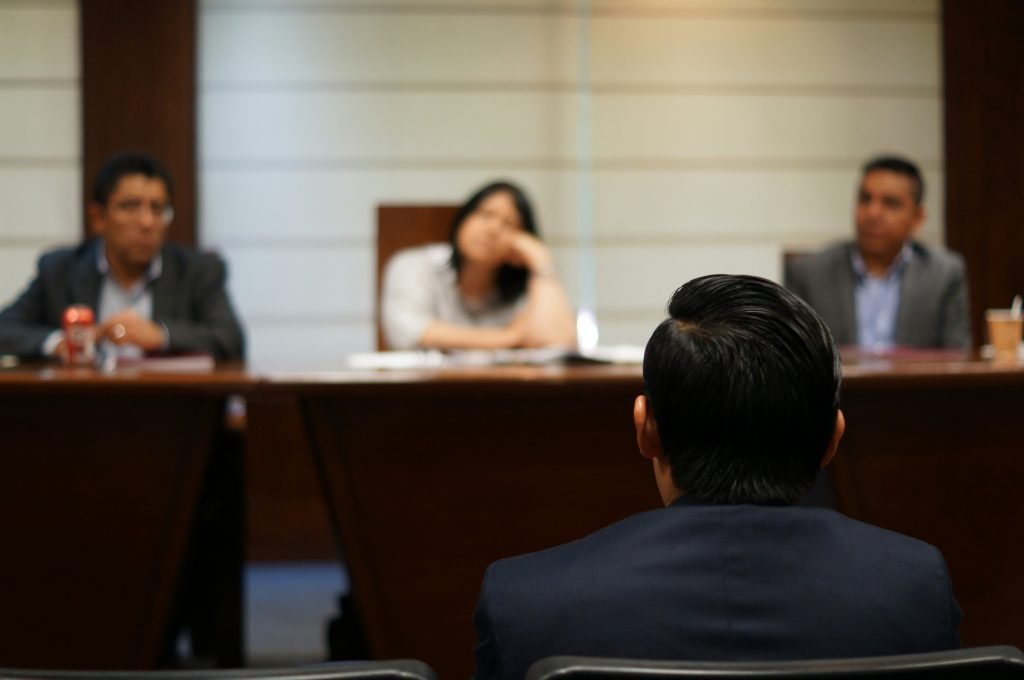
In the case of WM Morrison Supermarkets plc v Various Claimants [2020], the employer was found not to be vicariously liable. While an employee had deliberately disclosed private data, the Supreme Court held that the misconduct fell outside the ordinary course of employment.
With the BNP Paribas solicitor, there’s no indication that his employer has been considered vicariously liable, and no claim has been made in this regard. This is likely because Mr Foster’s actions would be deemed outside the scope of his role. However, a duty to prevent workplace bullying and discrimination remains, which could influence future legal outcomes.
Dealing with a Toxic Workplace Culture
Changing toxic workplace culture can be difficult, especially when certain behaviours haven’t previously been challenged. That being said, employers must tackle misconduct early. This helps avoid vicarious liability, productivity declines, and bad publicity, like what arose around the BNP Paribas solicitor.
A good starting point is to establish clear policies concerning acceptable workplace behaviour and train staff on the same. In doing so, employers can emphasise what they expect of staff, the repercussions of misconduct, and the steps employees can take to report any incidents.
However, while training and policies are good, they won’t work on their own. Employers must also ensure senior management is leading by example and that any reporting channels are confidential. If either of these elements is overlooked, those affected may fear the consequences of speaking up, meaning misconduct could be left unaddressed and fester into something worse (such as an employment tribunal claim).
To ensure their measures are working, employers mustn’t forget about regular audits. Taking the time to identify and tackle any issues will help avoid bigger ones from arising in the future. This can save costs, staff retention and the working environment as a whole.
Finally, should any form of misconduct arise, it’s essential that employers handle it properly. Should they fail to do so, not only could this lead to costly legal action, but it could send out the wrong message to staff that toxic environments will be tolerated.
Final Thoughts On the BNP Paribas Solicitor Case
The case of the former BNP Paribas Solicitor serves as a cautionary reminder about the potential consequences of fostering a toxic environment at work. While his employer hasn’t yet faced vicarious liability, there’s no guarantee it won’t in the future.
READ: NHS England to Be Abolished: What Keir Starmer’s Plan Means for Healthcare
To avoid potentially becoming wrapped up in similar cases, employers must remember their legal obligations concerning preventing workplace misconduct. Not only will this help avoid the courts, but it can also lead to a better working environment, where employees feel valued and productivity soars.
Thank you for reading this employment insight. If you enjoyed this publication, make sure to sign up for our newsletter. Subscribing only takes a moment, and it ensures you always remain updated on the latest employment news.