

With artificial intelligence improving by the day, teachers look set to benefit from GenAI tools. While this will be applauded, a recent Deloitte report highlights the growing unauthorised use of the technology.
Despite the significant benefits of AI in the workplace, some risks mustn’t be overlooked. Below, we explore Deloitte’s findings, outline the improvements for teachers, and consider the concerns of unauthorised use.
But wait up! Before you proceed, consider subscribing to our newsletter. Here at the Employment Law Review, we publish all the latest news from the sector, and you won’t want to miss what’s coming. Hit the button at the top to sign up now.
Unauthorised Artificial Intelligence in Business: A Growing Challenge
On 30 August 2024, Deloitte, the multinational professional services network, published its findings on the use of GenAI tools in the workplace. They revealed that 31% of UK employees who utilised such technology personally paid for their use. Of those remaining, nearly half opted for a free option, leaving only 22% utilising something in-house.
Deloitte sought to understand how widespread employees believed the unofficial use of artificial intelligence tools was. While 17% of users believed “a great deal” of UK employees were taking advantage of the technology without their employer’s authorisation, 45% felt “a fair amount” were. However, you look at it, quite a few employees are utilising AI in the workplace, even if their employer hasn’t given explicit consent.
READ: AI Industry Leaders Welcome New EU AI Act
Deloitte’s UK GenAI lead Lorraine Barnes said, “UK workers are taking matters into their own hands… With employees paying for the privilege of using the latest GenAI tools off their own back, it’s clear that there is a need for organisations to invest in their own GenAI solutions”.
Like what you're reading? Don't forget to subscribe to our bi-weekly newsletter!
Ms Barnes explained that organisations must mitigate the technology’s risks by integrating artificial intelligence tools with ethical considerations and regular audits. If they fail to do so, she warns that a growing number of employees will use AI for business purposes without assessing the risks.
Empowering Teachers with Enhanced GenAI Tools
Technology like generative AI can provide significant benefits in the workplace. The software can ease workloads and enhance productivity by automating routine tasks, allowing individuals to focus on their more important duties.
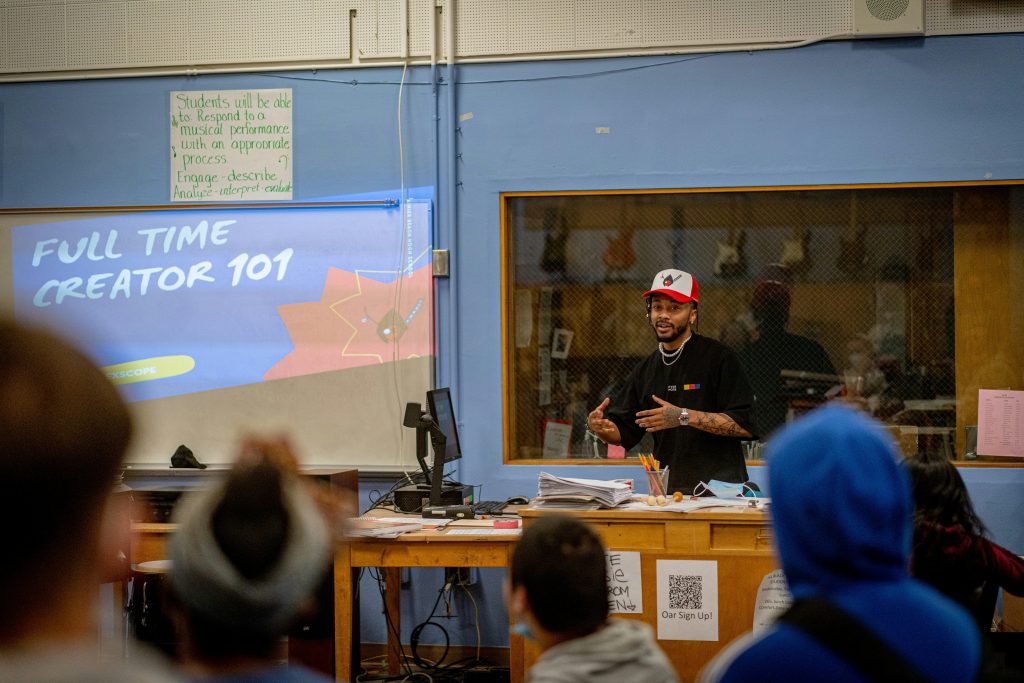
Lucky for teachers, they could soon be taking advantage of enhanced GenAI tools that assist with homework marking and lesson planning. This comes as the government announced a new £4 million investment aimed at making the technology more trustworthy and reliable.
The initiative, backed by parents who hope face-to-face teaching will increase, will offer incentives to encourage developers to create effective AI tools. It will also publish a safety framework to ensure students are protected.
Navigating the Perks and Pitfalls of AI in the Workplace
As mentioned, GenAI tools provide a whole host of benefits. Namely, they allow individuals more time to undertake complex and creative tasks by automating the simple, repetitive ones. The problem is that depending on how they’re used, the benefits of AI can be overshadowed by their risks.
Aidan Cramer, founder and CEO of AIApply, discussed these risks in more detail. He explained how an employee using AI in the workplace without authorisation can create many problems. He said, “I’d say the most concerning risks are those around privacy and data security”.
Mr Cramer pointed out that Gen AI tools require access to a wealth of data to function properly. This data will likely include information that a company wouldn’t want to be made public. Should the AI tool be hacked, this could compromise said data, providing a security risk for the company.
READ: Could Reverse Mentoring Be the Answer to Understanding AI?
In addition, depending on the type of work the technology is assisting, quality and creativity could be impacted. While AI is great for automation, Mr Cramer stated that it “can’t replace critical thinking and complex problem-solving”. Therefore, if the software is relied upon too much in creative fields, the results could be sub-standard compared to what an employee could achieve on their own.
Furthermore, problems could arise if artificial intelligence is used incorrectly in important business decisions. Mr Cramer explained, “If workers make important decisions – think: hiring or performance reviews – based on AI data sets or recommendations alone, there’s no guarantee that those data sets are unbiased or have been thoroughly vetted”. In such circumstances, this could lead to discrimination.
Our Final Thoughts on GenAI Tools
To ensure the benefits of AI can be enjoyed without the associated risks, employers must inform their workforce about:
- Which GenAI tools they can use
- How to use artificial intelligence safely
- The importance of monitoring the technology
By doing so, staff can safely reduce the time spent on repetitive tasks, allowing them more time to focus on what matters most. This can help reduce their stress, increase productivity, and help the business thrive.
We hope you enjoyed this latest employment insight. If you did, make sure to sign up for our newsletter now. It’s the only way to stay informed, and it only takes a moment to subscribe; just hit the button at the top to get started!